Cat Food & Nutrition
Feeding an Obligate Carnivore
Choosing a food
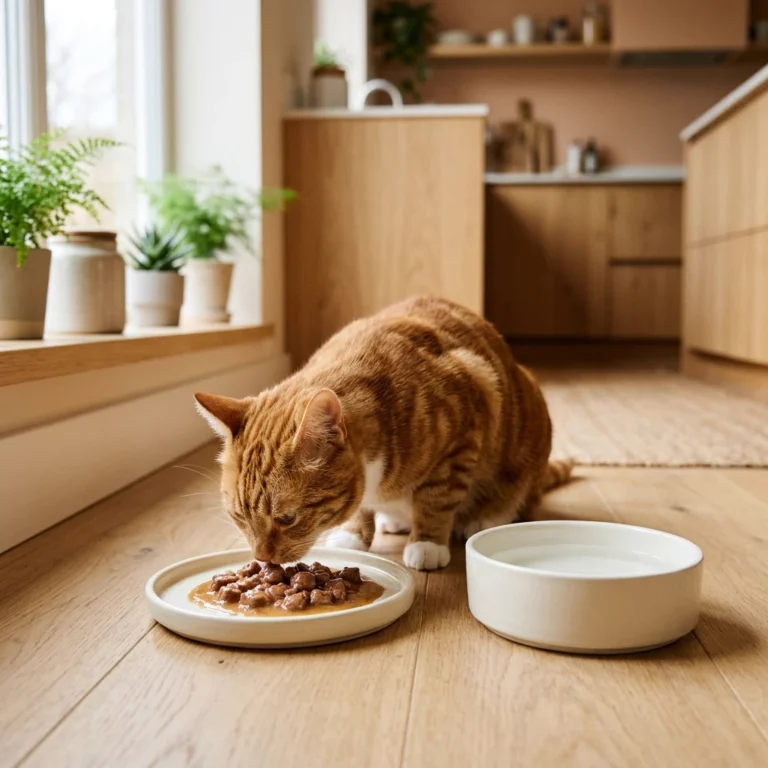
Choosing cat food comes down to two checks: an AAFCO adequacy statement for your cat's life stage, and animal-protein-first formulation, since cats are obligate carnivores whose nutrient needs, like taurine, come only from meat.
- How to choose the best cat food: the AAFCO statement, label reading, and why boring manufacturers with feeding trials beat boutique marketing (same rules as our dog food guide, feline edition)
- Cat food for sensitive stomachs: when "sensitive" is diet, when it's hairballs, and when it's a vet matter
The wet vs. dry decision (it matters more for cats)
Because of that weak thirst drive, food is a cat's main water source by design, which makes the format choice a genuine health decision, tied to urinary tract health:
- Wet cat food: ~75% moisture, hydration built in, portion-controlled by nature
- Dry cat food: convenient and cheaper, but ~10% moisture; free-feeding it is the classic obesity route
Many households land on a mix. Both pages give the honest trade-offs, minus the internet's food wars.
How much, and by life stage
How much to feed comes down to your cat's weight and life stage, not the bag's suggested serving, which commonly overfeeds indoor neutered cats.
- How much should I feed my cat?: calories by weight, body condition scoring, and why the bag overfeeds indoor neutered cats; the cat food calculator does the math
- Kitten food: growth needs, and when to switch (feeding schedule here)
- Senior cat food: what actually changes after ~10, and the weight-loss-is-a-symptom rule
What foods should cats never eat?
Shorter than the dog list but sharper: onions and garlic (all forms: destroy feline red blood cells), chocolate, alcohol, raw dough, and the two feline-specific traps: milk (most adult cats are lactose intolerant; the saucer is a myth with diarrhea attached) and tuna as a diet (fine as a treat, dangerous as a staple). And though it's a plant, not a food: even small amounts of lily can cause fatal kidney injury, every part, including pollen groomed off fur or vase water. Treat any exposure as an emergency (ASPCA Poison Control: 888-426-4435).
The most important feeding rule in cat ownership: a cat that stops eating is never "just being picky" for long. Call your vet if your cat goes 24+ hours without eating: cats, especially overweight ones, are uniquely prone to hepatic lipidosis, a life-threatening liver condition that can develop within just a few days of not eating. Not eating for a day is a vet call, not a standoff.
Frequently asked questions
Can cats eat dog food?
Not as a diet: dog food lacks the taurine, arachidonic acid, and vitamin A cats require, and taurine deficiency causes heart disease and blindness. A stolen bite is harmless; a habit is malnutrition on a delay.
Is wet or dry food better for cats?
Wet has the hydration and portion-control advantages that matter for urinary and weight health; dry wins on convenience and cost. A measured mix is a defensible middle ground: the loser is the bottomless dry bowl.
Can cats drink milk?
Mostly no: the majority of adult cats are lactose intolerant, and milk commonly causes diarrhea. Kittens drink their mother's milk or kitten formula, never cow's milk.
Why has my cat stopped eating?
Treat it seriously immediately: dental pain, illness, or stress are common causes. Call your vet if your cat goes 24+ hours without eating: cats, especially overweight ones, are uniquely prone to hepatic lipidosis, a life-threatening liver condition that can develop within just a few days of not eating. Cats aren't dogs; skipping meals is a symptom, not a negotiation.
Pet Tools
Free tools for pet owners
Free calculators built for real decisions, not guesswork.
Cat Food Calculator
Work out the right daily food portion for your cat's weight and activity.
Try toolCat Age Calculator
Find out how old your cat is in human years with the standard feline model.
Try toolPet Cost Calculator
See what a dog or cat will realistically cost you per year, in dollars or euros.
Try toolCat Breed Selector
Find which cat breeds suit your home, routine, and family.
Try tool