Cat Behavior, Explained
Consistent, Just Not Obvious
The big questions, answered
- Why does my cat knead?: the nursing-instinct holdover that means contentment (mostly)
- Why does my cat meow so much?: adult cats meow mainly at humans; what the volume is asking for, and the senior-onset exception
- Why does my cat lick me?: allogrooming: you've been accepted into the colony
- Why does my cat bite me?: petting-induced overstimulation, play aggression, and the love-bite spectrum, decoded
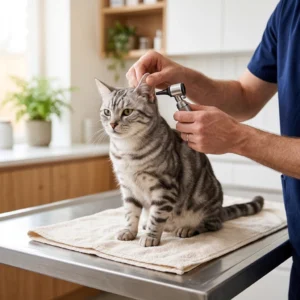
- Why is my cat hiding?: the most medically loaded question in cat behavior; hiding is normal and it's how sick cats disappear
When behavior is really a health signal
The translation table every cat owner needs: litter box avoidance = rule out medical first, always (urinary pain teaches box-fear, a male cat straining is an emergency); overgrooming a patch bald = allergy, parasites, or stress, in that diagnostic order; new hiding + not eating = the classic sick-cat presentation (the 24-hour food rule); night yowling in a senior = hyperthyroidism, hypertension, or cognitive decline: vet workup, not earplugs; sudden aggression when touched = pain until proven otherwise. Cats don't act out of spite: spite is a human export; every "bad behavior" is a need, a stressor, or a symptom.
When behavior needs environment, not correction
The fixes for classic cat complaints are environmental, because the complaints are unmet feline needs:
- Scratching furniture = a scratching need meeting the wrong object: the answer is better real estate (posts and trees that actually get used), placement beside the crime scene, and never declawing (it's toe-bone amputation, opposed by the AAFP, and trades furniture damage for pain and litter-box problems)
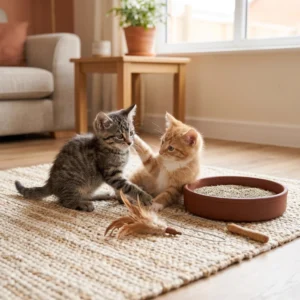
- Counter-surfing and night zoomies = climbing and hunting programs with nowhere sanctioned to run: vertical territory and pre-bed play sessions that end in a meal (hunt → catch → eat → groom → sleep is the factory-installed sequence)
- Multi-cat tension = resource economics: one litter box per cat plus one, separated feeding, and duplicated territory beat every behavioral intervention
Frequently asked questions
Why does my cat suddenly act differently?
Sudden behavior change in a routine-bound animal is a health flag first: pain, illness, or a territory stressor (new pet, new furniture, construction noise). Rule out medical with a vet check before reaching for behavior explanations.
Do cats understand punishment?
No: spraying, scolding, and swatting teach cats to fear you and to continue the behavior elsewhere. Cats respond to environment design and reinforcement: make the right choice easy and rewarding, the wrong one inconvenient.
Why does my cat go crazy at night?
Cats are crepuscular (dawn/dusk hunters) with an intact hunting program and no outlet: the 3 a.m. zoomies are unspent predation. An evening interactive play session ending in a meal resets the cycle better than any correction.
How do I stop my cat scratching the furniture?
Give the need a better target: a tall, stable, sisal scratching post placed next to the scratched furniture (location matters more than product), reward its use, and make the sofa corner temporarily unattractive. Declawing is amputation and off the table.
Pet Tools
Free tools for pet owners
Free calculators built for real decisions, not guesswork.
Cat Age Calculator
Find out how old your cat is in human years with the standard feline model.
Try toolCat Food Calculator
Work out the right daily food portion for your cat's weight and activity.
Try toolPet Cost Calculator
See what a dog or cat will realistically cost you per year, in dollars or euros.
Try toolCat Breed Selector
Find which cat breeds suit your home, routine, and family.
Try tool