Dog Training That Works
Kind, Consistent, Evidence-Based
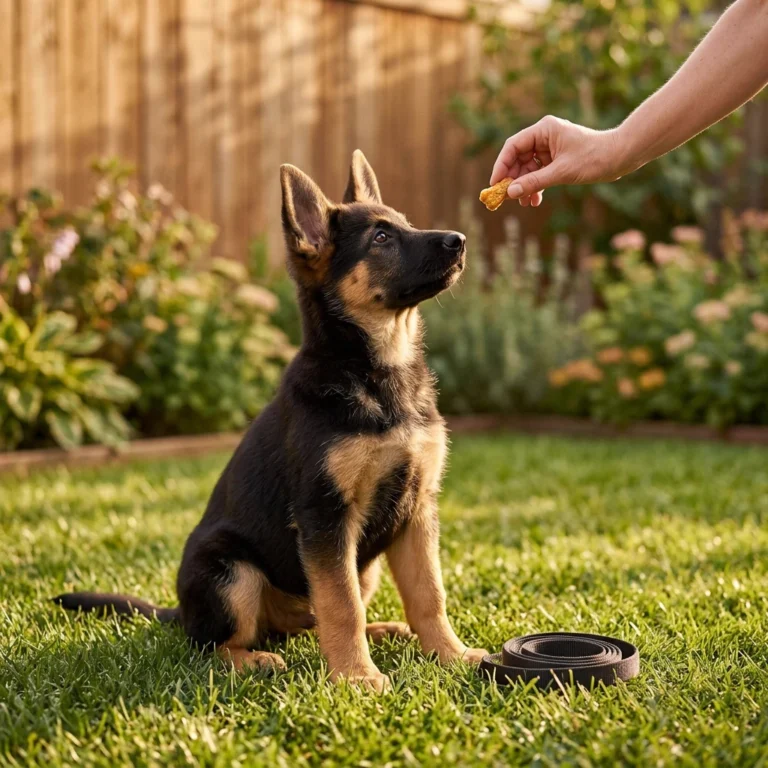
Which guide do you need?
| Your situation | Start here |
|---|---|
| New puppy, starting from zero | Puppy training |
| Accidents in the house | Potty training |
| Dog needs a safe place (and you need a break) | Crate training |
| Walks are an arm-wrestling match | Leash training |
| The neighbors have mentioned the noise | How to stop dog barking |
| Destruction and distress when you leave | Separation anxiety |
Puppy fundamentals
Training starts the day the puppy comes home, not at six months, as the old advice went. Puppy training covers name response, sit, handling, and socialization; potty training and crate training run in parallel from day one. Pair them with the 8-week-old puppy schedule so training fits the puppy's actual sleep-play-eat rhythm.
What's the most important skill to teach a dog?
Leash training is the highest-return skill you can teach: a dog that walks politely gets more walks, more outings, and a better life.
Problem behaviors
Barking and separation anxiety are the two problems that most often push owners to give up a dog, and both are fixable with a structured plan. Note that separation anxiety is a panic response, not disobedience; severe cases warrant a veterinary behaviorist, and sudden behavior changes in a previously calm dog can signal a health problem. For the "why" behind quirky-but-normal behaviors, see the dog behavior section.
Frequently asked questions
How long does it take to potty train a puppy?
Most puppies are reliably potty trained in 4–8 weeks with a consistent schedule, though some take several months. The keys are frequent trips out, rewards within two seconds of success, and zero punishment for accidents. Full method in our potty training guide.
When should I start training my puppy?
Immediately: at 8 weeks a puppy can learn name response, sit, and gentle handling in 2–3 minute sessions. The prime socialization window closes around 12–14 weeks, so early, positive exposure to people, sounds, and surfaces matters more than any command. See puppy training.
Is crate training cruel?
No: done right, a crate works with a dog's denning instinct and becomes a voluntary safe place, not a cage. Cruel is the misuse: too many hours, or using it as punishment. Our crate training guide covers duration limits by age.
Do shock collars work for training?
Aversive tools can suppress behavior short-term, but studies and the AVSAB position statement link them to increased fear, anxiety, and aggression, and they don't teach the dog what to do instead. Positive reinforcement gets better results without the fallout.
Pet Tools
Free tools for pet owners
Free calculators built for real decisions, not guesswork.
Dog Age Calculator
Calculate your dog's true age in human years, based on their breed size.
Try toolDog Food Calculator
Work out the right daily food portion for your dog's weight and activity.
Try toolPet Cost Calculator
See what a dog or cat will realistically cost you per year, in dollars or euros.
Try toolDog Breed Selector
Find which breeds fit your home, schedule, and activity level.
Try tool
Dog Behavior, Explained
Read guide
Dog Breed Guides
Read guide
Dog Food & Nutrition, Without the Marketing Noise
Read guide
Dog Gear That Earns Its Keep
Read guide
Dog Grooming
Read guide